
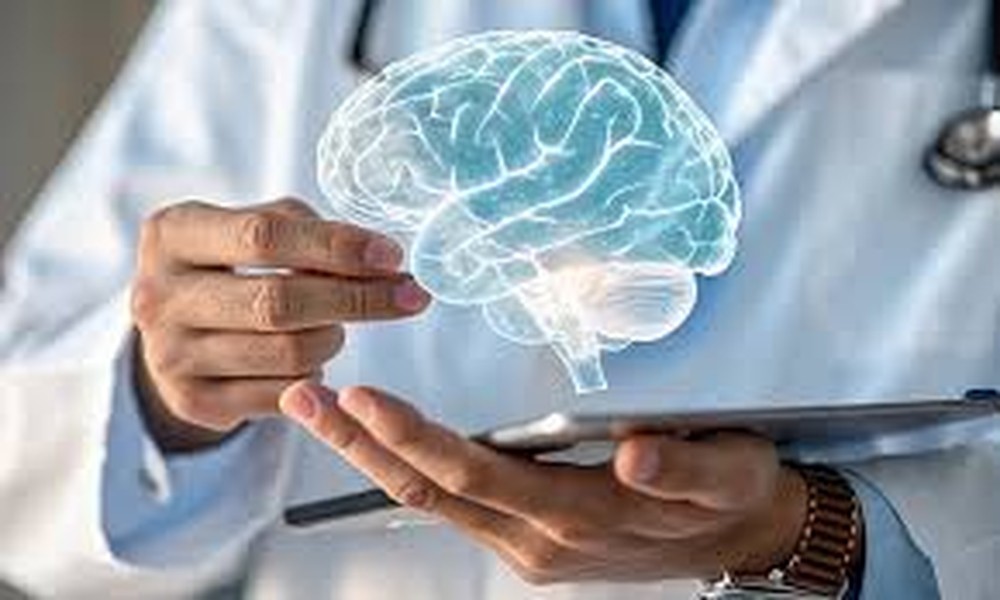
Neurological symptoms often disrupt emotional balance unexpectedly. Families struggle understanding unfamiliar physical and cognitive changes. Within a specialized neurology center, physicians examine evolving neurological conditions carefully. Personalized care improves comfort during uncertain recovery experiences.
Recognizing Neurological Warning Signs
Neurological disorders rarely produce identical physical symptoms. Some individuals notice numbness during workplace activities suddenly. Others experience speech delays during ordinary family conversations. Vision disturbances sometimes interrupt reading and concentration unexpectedly.
- Hand tremors during meals
- Sudden balance difficulties emerge
- Persistent headaches affect focus
Early evaluation supports faster therapeutic intervention afterward.
How Do Specialists Improve Diagnosis?
Accurate neurological diagnosis requires detailed clinical observation and testing. Brain imaging reveals abnormalities affecting nervous system communication pathways. Sleep assessments uncover hidden disturbances influencing cognitive performance overnight.
Rather than rushing conclusions, clinicians compare symptom progression carefully. That process reduces avoidable diagnostic misunderstandings significantly.
Creating Personalized Treatment Programs
Neurological treatment depends upon symptom severity and lifestyle demands. Medication adjustments help control pain and muscular discomfort gradually. In a modern neurology center, rehabilitation specialists coordinate individualized recovery strategies carefully.
Several supportive methods strengthen neurological management successfully.
- Cognitive exercises improve concentration daily
- Counseling supports emotional resilience naturally
- Physical therapy improves coordinated movement
- Nutritional guidance supports nervous system health
Inside advanced neurological facilities, multidisciplinary collaboration remains valuable.
Why Does Family Support Matter?
Families influence emotional stability throughout neurological treatment journeys greatly. Encouraging conversations reduce fear surrounding unfamiliar medical conditions considerably. Loved ones also notice behavioral changes during household interactions quickly.
However, caregiving responsibilities sometimes create emotional exhaustion unexpectedly. Medical teams therefore provide practical guidance supporting family involvement.
Supporting Long Term Cognitive Wellness
Neurological recovery often requires ongoing monitoring and therapeutic adjustments. Balanced nutrition supports healthier nervous system communication every day. Physical activity also strengthens coordination and muscular responsiveness naturally.
Several habits encourage stronger neurological wellness consistently.
- Reading activities sharpen memory retention
- Moderate exercise improves circulation steadily
- Healthy sleep supports cognitive restoration
- Social interaction strengthens emotional confidence
- Scheduled evaluations monitor neurological progression
Advancing Care Through Innovation
Modern technology improves neurological monitoring through precise digital measurements. Wearable devices track movement irregularities during ordinary daily activities. Remote consultations increase accessibility for individuals facing mobility challenges.
Artificial intelligence also assists neurological diagnostic interpretation successfully. Still, compassionate interaction remains essential throughout neurological healthcare experiences.
Looking Toward Healthier Recovery
Personalized neurological treatment strengthens confidence during uncertain medical experiences. Careful planning improves physical comfort and emotional stability gradually. Through thoughtful guidance, patients approach neurological recovery with greater reassurance.