Key Takeaways
- Eyelid laser usually becomes a consideration when everyday fixes stop holding, and discomfort or heaviness begins to interfere with focus rather than appearance alone.
- Repeated makeup breakdowns and persistent tired-looking eyes often signal structural changes, which is why medical aesthetics assessments look beyond surface routines.
- Growing concern tends to come from consistency rather than severity, as small but recurring changes create the pressure to seek clearer, longer-term answers.
Introduction
Attention shifts to the eyes when daily routines stop running smoothly. Screens demand more effort, heaviness settles in earlier, and makeup that once carried through meetings and commutes begins failing before midday. These changes do not feel dramatic, but they interrupt focus and confidence in ways that are hard to ignore. In Singapore, this disruption is what leads people to explore eyelid laser options through medical aesthetics, not to chase transformation, but to restore stability where rest and routine no longer suffice.
1. When Heaviness Stops Resetting
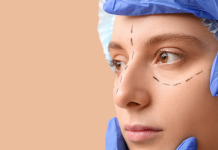
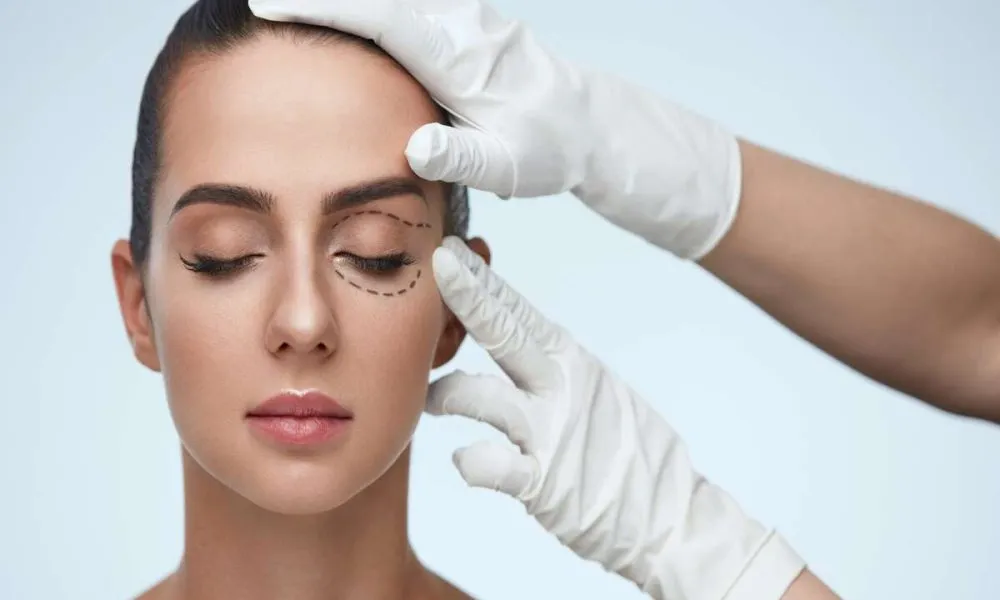
Eyelid heaviness becomes a concern when rest no longer makes a difference. Short breaks used to clear the strain, but now the weight returns quickly once screen time or reading resumes. That change suggests the issue goes beyond temporary tiredness. In medical aesthetics, this is why options like the Fotona SmoothEye Laser come up in discussion, as they address support beneath the skin rather than surface fatigue. When heaviness starts affecting concentration instead of just appearance, eyelid laser treatment shifts from a cosmetic idea to a practical way to restore everyday comfort.
2. When Makeup Routines Lose Reliability
Daily preparation becomes frustrating when familiar techniques stop working. Eyeliner transfers despite steady hands, concealer settles into folds, and lashes lose lift even with unchanged products. The routine shifts from finishing touches to repeated correction. In medical aesthetics settings, this pattern signals changes in eyelid support that makeup cannot offset, which is why laser options enter the conversation as structural solutions rather than surface fixes.
3. When Tiredness No Longer Matches Reality
Confidence takes a hit when appearance contradicts physical state. Adequate sleep no longer translates into an alert look, and comments about fatigue arrive without cause. This mismatch creates self-consciousness that feels difficult to explain. At this point, eyelid laser conversations move from curiosity toward restoring alignment between how someone feels and how they are perceived.
4. When Photos Show What Mirrors Do Not
Photographs strip away adjustment and control. Repeated images reveal uneven creases, deeper shadows, or subtle drooping across different settings and lighting. When the same imbalance appears in work photos, social shots, and casual images, it stops feeling incidental. This consistency drives interest in eyelid laser approaches designed for controlled correction rather than visible overhaul.
5. When Checking Becomes Habitual
Concern escalates when focus keeps circling back to the eyes. Older photos are revisited, reflections are checked throughout the day, and clinic pages are opened without clear intent. The issue becomes mentally distracting, interrupting concentration rather than remaining a passing thought. This stage signals readiness for proper evaluation instead of reassurance or avoidance.
6. When Temporary Relief Stops Holding
Short-term measures lose credibility when their effects shrink. Eye drops soothe briefly, breaks reset comfort only for a short window, and irritation returns during ordinary tasks. When relief fails to last despite unchanged habits, frustration grows. In medical aesthetics contexts, this pattern points toward tissue changes that require structural support rather than repeated temporary fixes.
7. When Research Turns Intentional
Online searching changes tone before any appointment is booked. Queries become specific, clinic pages are bookmarked, and practitioner profiles are reviewed with intention. This shift reflects acceptance that the issue is persistent and needs clarity rather than reassurance. Eyelid laser discussions at this stage focus on suitability and realistic outcomes instead of impulse.
Conclusion
These warning signs do not arrive suddenly. They build through repeated discomfort, visual inconsistency, and routines that no longer behave as expected. Many people assume concern should feel dramatic before it is valid, yet pressure often comes from tinier disruptions that persist. Recognising these signs clarifies why hesitation grows even when changes seem subtle. The gap lies between expecting a decline and acknowledging everyday interference that affects comfort, confidence, and focus.
To learn more about how common eyelid issues are evaluated in medical aesthetics therapy, get in touch with Halley Medical Aesthetics.