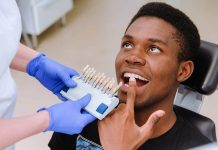

Invisible dental braces have become an increasingly common option among parents seeking a discreet orthodontic solution for their children. While the treatment is often associated with teenagers and adults, many families are now asking whether younger patients can also benefit from this approach. The answer depends on the child’s dental development, oral habits, and the assessment of a qualified pediatric dentist in the city-state who understands how orthodontic issues progress at different ages.
The Purpose of Invisible Dental Braces for Younger Patients
Invisible dental braces function by applying controlled pressure to move teeth gradually. The decision is not only about correcting alignment for children but also about ensuring that the treatment does not interfere with jaw development. Invisible options, in many cases, can be suitable for mild to moderate crowding, spacing issues, or early alignment concerns. However, they may not be the best fit for complex bite problems that require more structured force, especially for children whose jaws are still shifting rapidly. The suitability hinges on whether the child’s dental condition is stable enough for aligner-based treatment to work predictably.
How a Pediatric Dentist Evaluates Readiness
Assessment involves more than identifying crooked teeth. A pediatric dentist will examine the child’s dental growth pattern, the presence of baby teeth, and how permanent teeth are erupting. Since invisible dental braces depend on consistent wear, behavioural readiness is also considered. Younger children may struggle with maintaining the recommended daily wear time, which affects treatment success. Dentists also assess whether the child can handle the responsibility of keeping the aligners clean and storing them properly. Traditional braces may be recommended instead for those who lose items easily or have difficulty following routines.
Comparing Invisible Dental Braces with Traditional Braces for Children
Traditional braces remain the more adaptable option for complex orthodontic needs. They allow precise control over tooth movement and can address issues such as severe overcrowding or significant bite misalignment. On the other hand, invisible dental braces offer flexibility for children with milder cases who prefer an option that does not interfere with daily activities. Aligner trays also make brushing and flossing less complicated, as they are removable. However, removability also means reliance on the child’s discipline. Parents should consider this factor before committing to treatment.
Behavioural and Lifestyle Considerations
Daily routines can influence treatment outcomes. Children involved in sports or activities that risk mouth injury may find invisible dental braces more comfortable since they contain no metal components. Eating habits also come into play, as aligners must be removed before meals. This instance can lead to more frequent handling, and younger patients might misplace trays or forget to wear them again. Parents must evaluate whether their child can manage these responsibilities without frequent reminders, as inconsistent wear can extend treatment duration.
The Role of Early Orthodontic Intervention
Not all dental issues require immediate orthodontic treatment. A pediatric dentist in Singapore may recommend monitoring the child’s development until more permanent teeth erupt. Early assessments allow timely planning and may reduce the complexity of future treatment. Invisible dental braces can be part of this long-term strategy, provided the dentist determines that the child’s dental structure is appropriate for aligner therapy.
Conclusion
Invisible dental braces can be suitable for children, but only when their dental condition, growth stage, and behaviour align with the treatment requirements. Some children adapt well to the routine, while others may benefit more from traditional fixed braces. A thorough evaluation by a qualified pediatric dentist helps determine the most practical approach for each child. Parents should prioritise long-term outcomes and choose an orthodontic plan that aligns with their child’s readiness and dental needs.
Contact Happy Teeth Family Dental and let us help you determine the most suitable approach for your child’s dental development.