
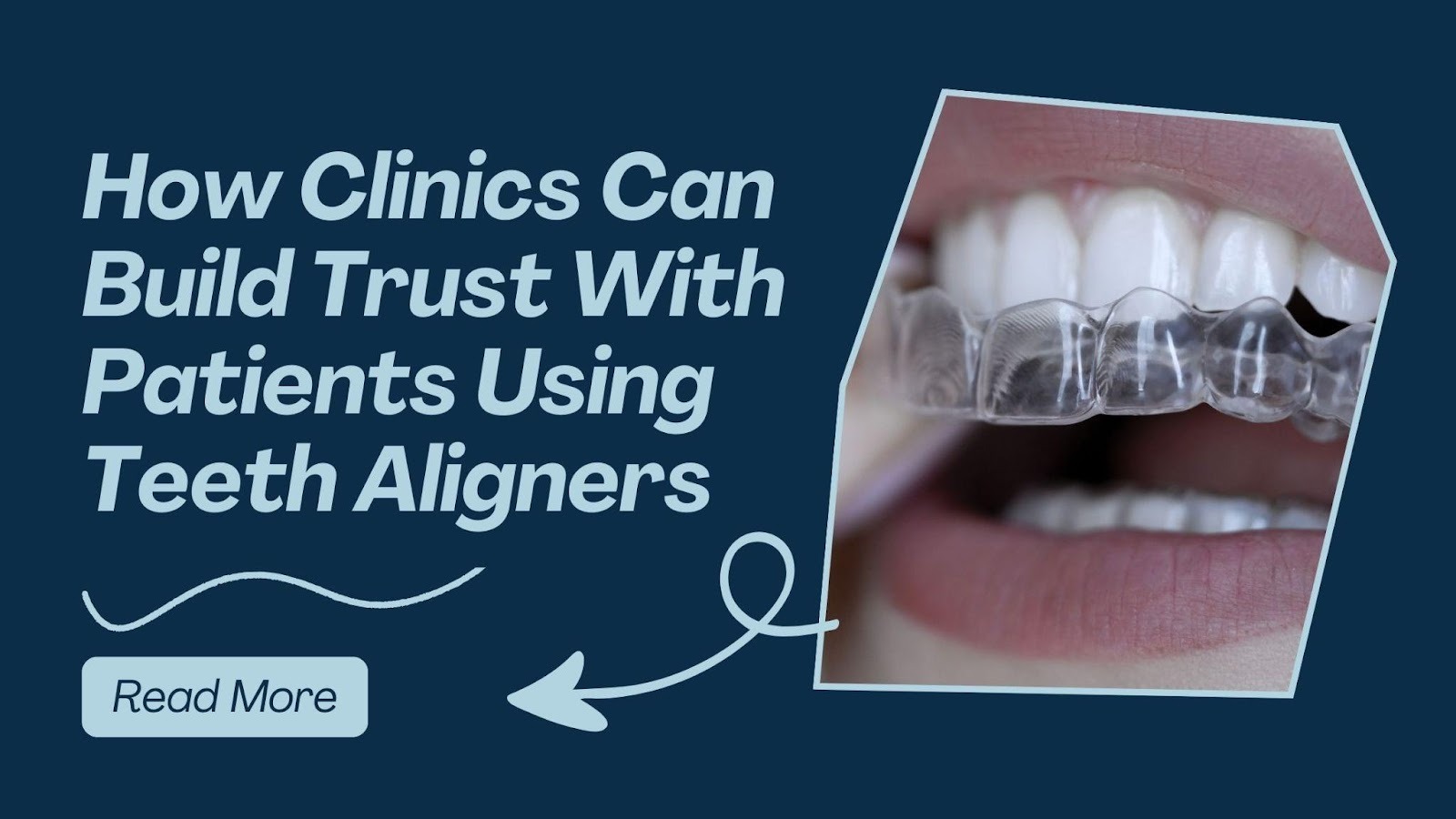
Trust is the foundation of every successful dental clinic. When it comes to orthodontic care, trust becomes even more important because treatments often take months and require consistent patient cooperation. Teeth aligners, while popular and effective, can feel unfamiliar or confusing to many patients at first. Clinics that focus on building trust throughout the aligner journey are far more likely to see better outcomes, higher satisfaction, and long-term patient loyalty.
Modern patients want more than just results—they want clarity, honesty, and confidence in the process. By approaching aligner treatment with transparency and empathy, clinics can turn hesitation into reassurance and curiosity into commitment.
Start With Clear, Honest Education
One of the biggest barriers to trust is uncertainty. Many patients have heard about aligners through advertisements, social media, or friends, but they may not fully understand how the treatment works. Some assume aligners are only cosmetic, while others worry they are less effective than traditional braces.
During the initial consultation, clinics should take time to explain what aligner therapy can and cannot do. This includes discussing case suitability, treatment duration, and the importance of wearing aligners as prescribed. When patients understand the science and limitations behind aligner treatment, they are more likely to trust the clinic’s recommendations.
As interest in orthodontic options grows, especially around alternatives like clear braces in india, patients appreciate clinics that explain differences in a simple, unbiased way. Education builds confidence and sets realistic expectations from the start.
Use Visual Tools to Improve Transparency
Visual communication plays a powerful role in trust-building. Digital scans, 3D simulations, and before-and-after projections allow patients to see what their treatment may look like over time. These tools remove ambiguity and help patients feel involved in their own care.
When patients can visualize their progress, the treatment feels less abstract and more achievable. This also reduces anxiety, as patients know what changes to expect and when. Transparency through visuals shows that the clinic has nothing to hide and is committed to informed decision-making.
Be Honest About Timelines and Responsibilities
Aligner treatment is a partnership between the clinic and the patient. One common reason trust breaks down is when outcomes do not match expectations due to poor compliance. Clinics should clearly explain that aligners require discipline, typically 20–22 hours of wear per day, to be effective.
Being upfront about this responsibility helps patients understand their role in the success of the treatment. Rather than promising fast or perfect results, clinics that emphasize consistency and patience tend to earn greater respect. Honesty, even when it sounds less appealing, strengthens credibility.
For patients who want to contact experts to better understand whether aligners fit their lifestyle, clinics should encourage open conversations instead of pushing quick decisions. A pressure-free environment signals professionalism and care.
Maintain Consistent Communication Throughout Treatment
Trust does not end after the aligners are delivered. Regular follow-ups, progress checks, and clear communication are essential throughout the treatment journey. Patients should feel comfortable asking questions or raising concerns at any stage.
Clinics that proactively check in with patients—whether in person or through digital follow-ups—show that they are invested in the outcome, not just the procedure. Even small gestures, like explaining minor delays or adjustments, can significantly improve patient confidence.
Consistency in communication also helps manage expectations if treatment plans need modification. When patients feel informed rather than surprised, trust remains intact.
Set Realistic Expectations, Not Perfect Promises
Overpromising is one of the fastest ways to lose patient trust. While aligners are highly effective for many cases, they are not a one-size-fits-all solution. Clinics that acknowledge this earn greater credibility.
Discussing potential refinements, mid-course corrections, or retention requirements after treatment shows honesty and professionalism. Patients value clinics that prepare them for the full journey rather than only highlighting ideal outcomes.
Create a Comfortable and Supportive Environment
The overall clinic experience also influences trust. From the tone of conversations to how staff handle questions, every interaction matters. A calm, respectful environment encourages patients to speak openly about concerns, discomfort, or compliance challenges.
When patients feel heard and understood, they are more likely to follow instructions and stay committed to treatment. Trust grows when care feels personal rather than transactional.
Encourage Feedback and Patient Participation
Inviting feedback during aligner treatment empowers patients and strengthens relationships. Simple questions like “How are the aligners feeling?” or “Is anything uncomfortable?” show that the clinic values patient input.
This collaborative approach reinforces trust because patients feel like partners in their treatment rather than passive recipients. Over time, this mutual respect often leads to stronger word-of-mouth referrals and long-term loyalty.
Building Trust Is a Long-Term Strategy
Teeth aligners are not just a product; they represent an ongoing process that requires cooperation, clarity, and consistency. Clinics that focus on trust-building create better experiences for patients and smoother treatment journeys for themselves.
By prioritizing education, transparency, honest communication, and patient comfort, clinics can ensure that aligner therapy is seen as reliable and professional. In the long run, trust becomes the clinic’s strongest asset—one that no marketing campaign can replace.
#EledentAligners #EledentSmile