
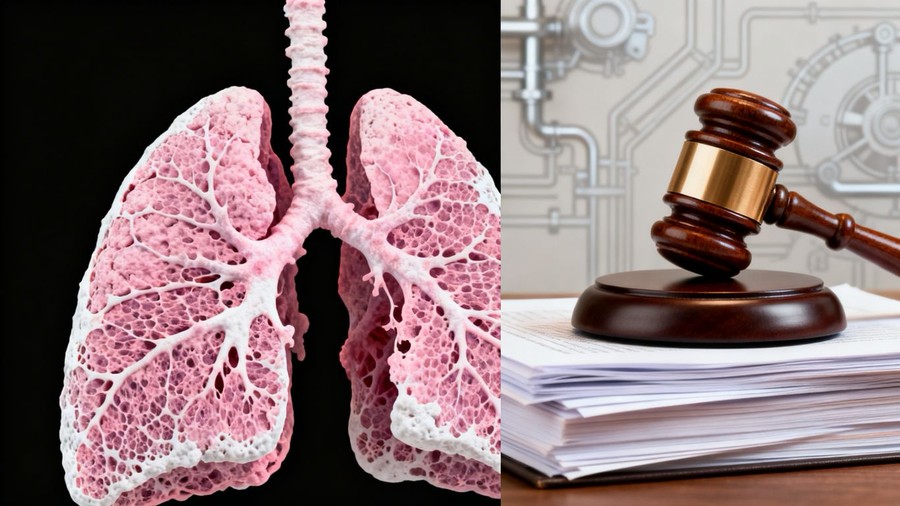
The Link Between Asbestos Exposure and Cancer
For most of the 20th century, asbestos was used in construction, shipyards, and factories because it resisted heat and chemicals. However, when asbestos materials are disturbed, tiny fibers can get into the air. Workers, and sometimes their loved ones, breathed these fibers in without realizing the risks.
Scientists have since confirmed that inhaling or swallowing asbestos fibers can cause several types of serious illnesses, including cancer. The two main cancers linked to asbestos are mesothelioma and asbestos-related lung cancer, but other conditions like asbestosis and certain gastrointestinal cancers are also possible.
Key points about asbestos and cancer:
- Both long-term and intense short-term exposure can be dangerous.
- Mesothelioma is almost always linked to asbestos.
- Lung cancer risk rises significantly for smokers exposed to asbestos.
How Lung Cancer and Mesothelioma Develop Differently
Mesothelioma and lung cancer aren’t the same thing, even though both can result from asbestos exposure. Mesothelioma starts in the lining (mesothelium) around the lungs, abdomen, or heart. Lung cancer, on the other hand, develops inside the lung tissue itself.
- Mesothelioma almost never occurs without asbestos exposure. It has a long latency period—meaning it can take 20-50 years after exposure before symptoms show up. Smoking does not make mesothelioma more likely, but it does make symptoms harder to notice.
- Lung cancer from asbestos also builds up slowly but has more causes. Asbestos increases the cancer risk dramatically in people who also smoke. Some cases are complicated because both smoking and asbestos exposure may contribute.
Medical Evidence Connecting Asbestos Exposure
Doctors use both occupational history and medical testing to connect cancers to asbestos exposure. If someone worked in jobs like construction or shipbuilding, it raises suspicion. But there are more steps:
- A detailed work and exposure history is collected. Doctors, lawyers, and compensation funds often ask where and when the exposure occurred.
- Tissue samples or imaging may reveal asbestos fibers in the body or damage that matches asbestos exposure.
- For mesothelioma, the diagnosis itself is often enough to tie it to asbestos. For lung cancer, proof of exposure, work history, and sometimes pathology reports are required.
Medical professionals rely on a combination of exposure history, pathology, and, sometimes, direct fiber detection in tissue to confirm that asbestos was a factor. The clearer the evidence, the easier it is to link the disease to asbestos and qualify for compensation through trust funds or other resources.
Eligibility Criteria for Compensation
Differences in Eligibility Requirements for Each Diagnosis
When seeking compensation for asbestos-related illnesses, the specific diagnosis plays a big role in determining who qualifies and how. It’s not a one-size-fits-all situation. Mesothelioma, for instance, has a very direct and strong link to asbestos exposure. Because of this, proving the connection is often more straightforward. Lung cancer, on the other hand, can be trickier. While asbestos exposure is a known cause, other factors like smoking can also contribute. This means that for lung cancer claims, more detailed evidence might be needed to show that asbestos was indeed the primary cause.
Mesothelioma Eligibility Assessment
To be eligible for compensation for mesothelioma, the primary requirement is a confirmed diagnosis of the disease. Beyond that, it’s necessary to demonstrate that this diagnosis is a result of asbestos exposure. This doesn’t always mean pinpointing the exact date or location of exposure. Often, a history of working in industries where asbestos was common, such as construction, shipbuilding, or manufacturing, is sufficient. Legal teams can help investigate past work sites and gather evidence to establish this link. The key is showing a connection between your asbestos exposure and your mesothelioma diagnosis.
Lung Cancer Eligibility Requirements
Eligibility for compensation for asbestos-related lung cancer involves a few more layers. A confirmed diagnosis of lung cancer is the first step. Then, similar to mesothelioma, you must show that asbestos exposure caused or significantly contributed to the cancer. This can be more complex if there are other contributing factors, like a history of smoking. Claims often require detailed medical records, including imaging and pathology reports, alongside evidence of asbestos exposure. This might include:
- Employment records showing work in asbestos-heavy environments.
- Witness testimonies from former colleagues.
- Documentation from companies that used or supplied asbestos.
- Medical opinions from doctors specializing in occupational lung diseases.
Navigating the Compensation Process
Filing a claim for compensation after an asbestos-related diagnosis can seem like a big hurdle. It’s not just about getting money; it’s about covering medical bills, lost wages, and other costs that pop up unexpectedly. The process differs significantly depending on whether you have mesothelioma or asbestos-related lung cancer.
Filing a Claim: Key Differences
When you’re dealing with an asbestos-related illness, the way you file a claim often depends on the specific diagnosis. For mesothelioma, which is almost always caused by asbestos exposure, claims are typically filed against asbestos bankruptcy trusts. These trusts were set up by companies that went bankrupt but acknowledged their role in asbestos exposure. For asbestos-related lung cancer, the path can be more varied. While some claims might go through trusts, others may involve direct lawsuits against companies still in operation or their insurers, especially if the exposure was more recent or the link less direct than with mesothelioma.
Documentation Needed for Each Cancer Type
Gathering the right paperwork is a big part of this process. For both mesothelioma and lung cancer claims, you’ll need solid medical evidence. This includes biopsy reports, pathology results, and doctor’s notes detailing your diagnosis and prognosis. However, the work history details can differ. For mesothelioma, pinpointing the exact site and duration of asbestos exposure is often paramount. For lung cancer, while work history is still important, proving that asbestos was the primary cause, rather than smoking or other factors, can be more complex. Having copies of medical records and work history is a good start.
How Trust Funds Prioritize Claims
Asbestos bankruptcy trusts have specific rules for how they handle claims. They often have established procedures for evaluating cases and determining payouts. Generally, more severe conditions, like mesothelioma, might be prioritized due to the aggressive nature of the disease and often shorter life expectancies. The amount awarded can also depend on factors like the claimant’s age, exposure level, and the specific trust’s guidelines. Understanding these priorities is key to managing expectations during the compensation process. Compensation for asbestos-related lung cancer can range from $100,000 to $400,000, while mesothelioma settlements are often higher, typically between $1 million and $2.4 million [2e79].
Calculating Mesothelioma Compensation Amounts
How Asbestos Trusts Assess Compensation
When dealing with asbestos trusts, the assessment of compensation amounts is a structured process. These trusts were set up by companies that filed for bankruptcy to handle claims from individuals exposed to asbestos. The amount awarded typically depends on the severity of the disease and the evidence of asbestos exposure. Mesothelioma, being a direct result of asbestos exposure, often leads to higher compensation compared to other asbestos-related conditions. The trusts look at various factors, including the specific type of mesothelioma, the stage of the cancer, and the claimant’s medical history related to asbestos exposure.
Average Compensation for Mesothelioma Claims
It’s difficult to pinpoint an exact average, as each case is unique. However, settlements for mesothelioma claims often fall within a broad range. Many individuals receive compensation through settlements, which can vary significantly. Some sources indicate that settlements can range from around $1 million to over $2 million. If a case goes to trial, jury verdicts can be substantially higher, though this is less common. These figures are meant to help cover medical costs, lost income, and other related expenses.
Factors Influencing Compensation Amounts
Several elements play a role in determining the final compensation amount. These include:
- Medical Expenses: This covers past, present, and future medical bills, including treatments, medications, and necessary care.
- Lost Income: Compensation accounts for wages lost due to the inability to work because of the illness, as well as future earning potential.
- Pain and Suffering: This acknowledges the physical and emotional distress caused by the diagnosis and treatment.
- Dependents: The needs of family members who relied on the claimant for financial support are also considered.
- Exposure Details: The specifics of the asbestos exposure, such as the duration and the type of asbestos product involved, can influence the outcome.
Challenges in Lung Cancer Compensation Claims
While mesothelioma has a direct and well-documented link to asbestos exposure, pursuing compensation for asbestos-related lung cancer can present unique hurdles. The primary difficulty often lies in definitively proving that asbestos exposure was the cause of the cancer, especially when other risk factors are present.
Unique Challenges in Proving Asbestos Exposure
Establishing a clear causal link between asbestos exposure and lung cancer requires careful attention to detail. Unlike mesothelioma, which is almost exclusively caused by asbestos, lung cancer can stem from various sources. This means claimants must often provide substantial evidence to demonstrate that their asbestos exposure was significant enough to be considered the primary cause. This can involve:
- Detailed work histories showing periods of exposure.
- Witness testimonies from former colleagues.
- Medical records that rule out or minimize other contributing factors.
The presence of other risk factors, such as a history of smoking, can complicate these claims. While individuals who smoked and were exposed to asbestos may still be eligible for compensation, proving that asbestos played a substantial role requires strong documentation. This is where understanding the specifics of your exposure history becomes critical. For those seeking to file a claim, exploring options for asbestos-related lung cancer compensation is a vital first step.
Common Reasons for Denial or Reduced Payouts
Claims for asbestos-related lung cancer may face denial or a reduction in payout for several reasons. Insufficient evidence of asbestos exposure is a frequent issue. If the connection between the workplace and the illness isn’t clearly established, or if the exposure levels are deemed too low, a claim might be rejected. Furthermore, if a claimant has a significant smoking history, the company being sued might argue that smoking was the sole or primary cause of the lung cancer, thereby reducing their liability. It’s important to be prepared for these potential objections.
Addressing Challenges with Legal Guidance
Navigating these complexities is significantly easier with the assistance of experienced legal counsel. Attorneys specializing in asbestos litigation understand the specific evidence required to build a strong case for lung cancer claims. They can help gather necessary documentation, identify potential witnesses, and work with medical experts to establish the link between asbestos exposure and the diagnosis. Their knowledge of statutes of limitations is also crucial, as there are strict deadlines for filing claims. Working with a legal team can help ensure that your claim is filed correctly and on time, maximizing your chances of receiving fair compensation.
The Role of Experienced Legal Counsel
When facing a diagnosis of mesothelioma or asbestos-related lung cancer, navigating the path to compensation can feel overwhelming. This is where the guidance of experienced legal counsel becomes invaluable. Attorneys specializing in asbestos litigation possess the knowledge and resources to help individuals and their families pursue the compensation they deserve.
How Attorneys Help Secure Compensation
An attorney’s role extends far beyond simply filing paperwork. They are instrumental in reconstructing past work histories, identifying specific asbestos-containing products, and linking exposure to responsible parties, even when exposure occurred decades prior. Their deep understanding of asbestos litigation is key to building a strong case. This process often involves:
- Gathering detailed medical and employment records.
- Investigating past workplaces to pinpoint exposure sources.
- Identifying all potentially liable companies and their insurers.
- Filing claims with asbestos bankruptcy trusts, which is common in these cases.
These legal professionals can also help you understand your eligibility for compensation and the potential value of your claim, which can range significantly depending on the specifics of your case.
Tailored Approaches for Lung Cancer vs. Mesothelioma
While both diagnoses stem from asbestos exposure, the legal strategies can differ. Mesothelioma, being almost exclusively caused by asbestos, often has a more direct link to compensation. Asbestos-related lung cancer claims, however, may require more effort to prove that asbestos was the primary cause, especially if other risk factors like smoking are present. An experienced attorney will tailor their approach based on the specific diagnosis, focusing on gathering the precise evidence needed for each type of claim.
Selecting an Attorney with Asbestos Expertise
Choosing the right legal representation is a critical step. It is advisable to seek out law firms that focus exclusively on asbestos and mesothelioma cases. These firms often have extensive databases of information on asbestos products and exposure sites, which general personal injury firms may not possess. Look for attorneys who:
- Have a proven track record in asbestos litigation.
- Can handle cases nationwide.
- Work on a contingency fee basis, meaning you pay nothing unless you receive compensation.
- Communicate clearly and explain the complex legal process in plain language.
Consulting with a specialized firm can help you understand your legal options and begin the process of seeking justice.
Compensation for Multiple Asbestos-Related Diagnoses
Considerations for Co-Occurring Cancers
It’s not unheard of for someone to be diagnosed with more than one asbestos-related condition. Sometimes, a person might have both mesothelioma and lung cancer, or perhaps lung cancer alongside asbestosis. When this happens, the situation for compensation gets a bit more complex, but it doesn’t mean you’re out of luck. In fact, having multiple diagnoses can sometimes lead to a higher overall compensation amount because each condition is assessed for its impact on your life. The key is to make sure that each diagnosis is properly documented and linked back to the asbestos exposure.
Ensuring Family and Dependents Benefit
When someone is diagnosed with an asbestos-related illness, it doesn’t just affect them; it impacts their entire family. Compensation claims can include provisions for dependents, covering things like lost income that the diagnosed person can no longer provide, or costs associated with caregiving. If the diagnosed individual passes away, their family or estate may still be able to pursue a claim or continue an existing one. It’s important to consider the long-term financial needs of your loved ones when calculating potential compensation. This includes not just immediate medical bills but also future living expenses and support.
Advocating for Fair Compensation Based on Diagnosis
When you have multiple asbestos-related diagnoses, presenting your case effectively is really important. Each condition has its own set of criteria and typical compensation ranges. For example, mesothelioma is often seen as a more direct and severe result of asbestos exposure, which can influence the compensation amount. Lung cancer, while also serious, can sometimes be complicated by other factors like smoking history, which might affect how a claim is viewed. A lawyer experienced in these matters can help:
- Clearly outline each diagnosis and its connection to asbestos exposure.
- Gather all necessary medical records and evidence for each condition.
- Work with trust funds to ensure they consider the full extent of your illness and its impact on your life and your family’s future.