
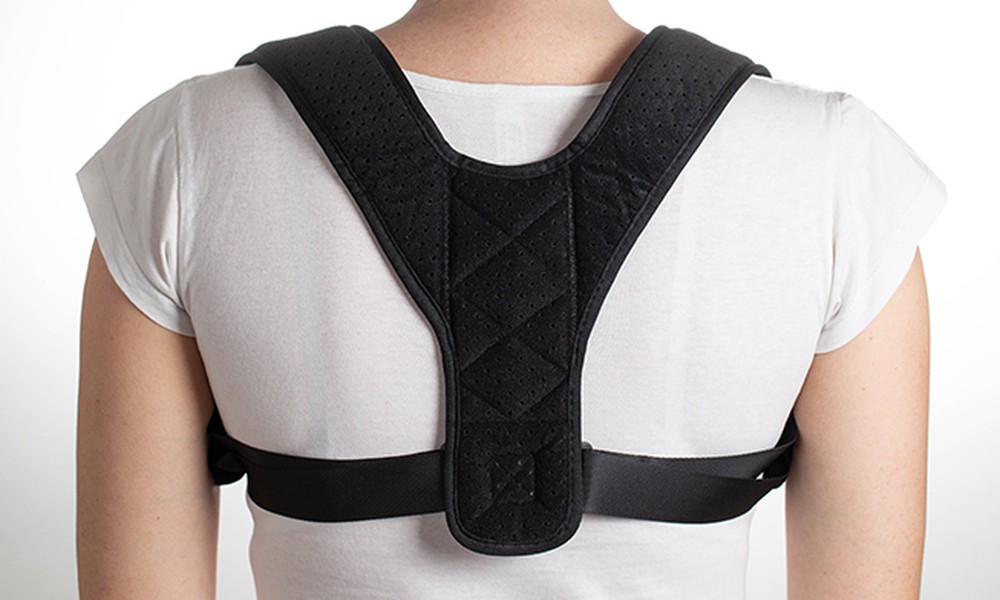
Good posture is not just about standing straight. However, good posture is also about how you sit. It affects how you feel. It changes how you breathe. It alters how others see you. Quite a number of people spend hours slouching over computers. They look down at smartphones constantly. This modern habit leads to rounded shoulders. It causes a slouched back. Because of this, orthopedic aids have become popular. A posture corrector is one such aid.
A posture corrector belt works for men and women. It guides your body into alignment. It reminds your muscles where to sit. However, many people wonder about the timing. How long should you wear these orthopedic aids? Is it safe to wear them all day? Can you wear them too much?
Let us look into the proper way to use a posture belt without overdoing it.
What is a Posture Corrector?
A posture belt is a simple orthopedic wearable device. It goes over your shoulders and around your upper back. Some designs also wrap around the lower waist. The main objective of a posture belt is to hold your shoulders back and keep your spine in a straight manner. Again, it functions as a physical reminder. The posture belt pulls gently when you start to slouch. This pull activates your brain to remind you that you should straighten up. It is a helpful tool for training your body to find its natural alignment.
How Do Posture Belts Help?
Using a posture belt can offer several benefits when used correctly. Here are some of the main advantages:
- They increase awareness of how you sit and stand throughout the day.
- They provide support to tired muscles during prolonged hours of desk work.
- They help align your neck and shoulders to reduce daily strain.
- They assist in building better physical habits over time.
The Big Question: How Long Should You Wear It?
The short answer is that it depends on the advice given by your doctor. Again, this is determined by how bad your posture is. Generally, wearing it for shorter durations is usually advised. A posture corrector is not like the clothes you wear from morning until night. Your body requires time to adjust when you first wear a posture corrector belt. Your muscles are not used to this new position.
Week One: The Starting Phase
- Start with just 15 to 20 minutes per day
- Choose a time when you slouch the most
- Pay attention to how your back feels
Week Two and Three: The Building Phase
- Add the time to 30 or 40 minutes a day
- Split this time into two shorter sessions if needed
- Take it off if you feel fatigued
Beyond Week Three: The Steady Phase
- Consider your maximum daily wear time as 2 hours
- Do not wear it continuously without a break
- Use it as a temporary training aid
How Much Is Too Much?
Wearing a posture belt for more than two hours a day can trigger issues. Your body basically stops doing its own work when you keep the belt on for too long. Your back and shoulder muscles are meant to hold you up naturally. Thus, your muscles get lazy if the belt does all the lifting. Lazy muscles become weaker as time passes. Weaker muscles make your posture worse when you take the belt off. This creates a cycle where you rely on the belt too much.
Signs that you are wearing your posture belt too much include:
- Your muscles feel weaker when you are not wearing the posture belt.
- You feel discomfort or rubbing under your arms.
- Your skin becomes red or irritated from the straps.
- You rely completely on the belt to sit up straight.
Best Practices for Using a Posture Corrector Belt
You should use the posture support belt correctly. This ensures the best results. Here are basic rules to follow:
- Choose the right size by measuring your chest
- Do not pull the straps too tight
- Wear it over a thin t-shirt for protection
- Keep your movements natural while wearing it
- Take regular breaks to stretch your shoulders
Combine the Belt with Gentle Exercises
A posture belt functions best when you pair it with movement. The belt handles the awareness part. Exercises handle the strength part.
- Try to add simple habits to your daily routine. Roll your shoulders backwards ten times every hour. Squeeze your shoulder blades together. Hold this squeeze for five seconds. Walk around after every hour of sitting.
- You can also try simple chest stretches. Stand in a doorway. Place your forearms on the frame. Step forward slowly. Stop when you feel a gentle stretch. Hold it for twenty seconds. This opens up your posture.
These small actions build real muscle strength.
When Should You Avoid Wearing It?
There are particular times when you should not wear the posture belt.
- Do not wear it while sleeping
- Avoid wearing it during heavy workouts
- Do not use it with an unhealed injury
- Skip the belt if it causes sharp pain
- Stop using it if your arms feel numb
Final Thoughts
A posture corrector belt for men and women is a great investment. It helps you
recognize poor sitting and standing habits. It guides your body toward a healthier alignment. However, moderation is the key to success. A posture corrector is a training orthopedic tool, not a cure.
Use the belt for short periods to train your mind and muscles. This trains your mind and muscles. The ideal wearing time is under two hours. Wearing a belt for prolonged durations weakens back muscles. Make sure the fit is comfortable. Do not make it overly restrictive. Pair the posture belt with implementing daily stretches for the best results. Wear the posture belt at suitable moments. Consult a healthcare expert for advice in case of any confusion.
By using the posture belt wisely, you can achieve a confident and healthy stance for the long term.