Aches tend to creep in quietly, then linger longer than expected. Relief rarely arrives through dramatic moves or rushed fixes, which explains why many people begin looking at slower, tactile approaches. One path sits within traditional Chinese medicine, where touch carries intention rather than force. TCM in Tuina offers a method grounded in rhythm, structure, and patience, revealing practical shifts that change how the body responds over time.
1. Timing Matters More than Pressure
Many assume progress depends on the strength of technique. Tuina works differently. The timing of movements, pauses, and transitions shapes results more than force. Skilled practitioners align strokes with breathing patterns and muscle response, allowing tissue to soften gradually.
Sessions planned after physical activity or long desk hours tend to feel distinct from early morning visits. Muscles respond with less resistance once circulation has warmed naturally. This approach reframes expectations around recovery, steering attention towards preparation rather than intensity. Through TCM in Tuina, timing becomes an active participant in the process rather than a background detail. This awareness helps sessions feel more attuned to physical readiness rather than driven by force.
2. Small Adjustments Guide Deeper Release
Tuina relies on angles, hand placement, and directional flow. Slight shifts redirect energy along meridian pathways recognised within traditional Chinese medicine. These changes may look modest, yet they influence how tension unwinds.
Clients who remain attentive during treatment notice patterns, such as which movements create warmth or ease. Sharing these observations supports refinement across sessions. This quiet collaboration builds continuity without dramatic intervention. Over repeated visits, TCM in Tuina supports gradual recalibration of posture and movement habits, encouraging relief that feels earned rather than fleeting. Over time, these refinements encourage release patterns that feel steadier across daily movement.
3. Environment Shapes Physical Response
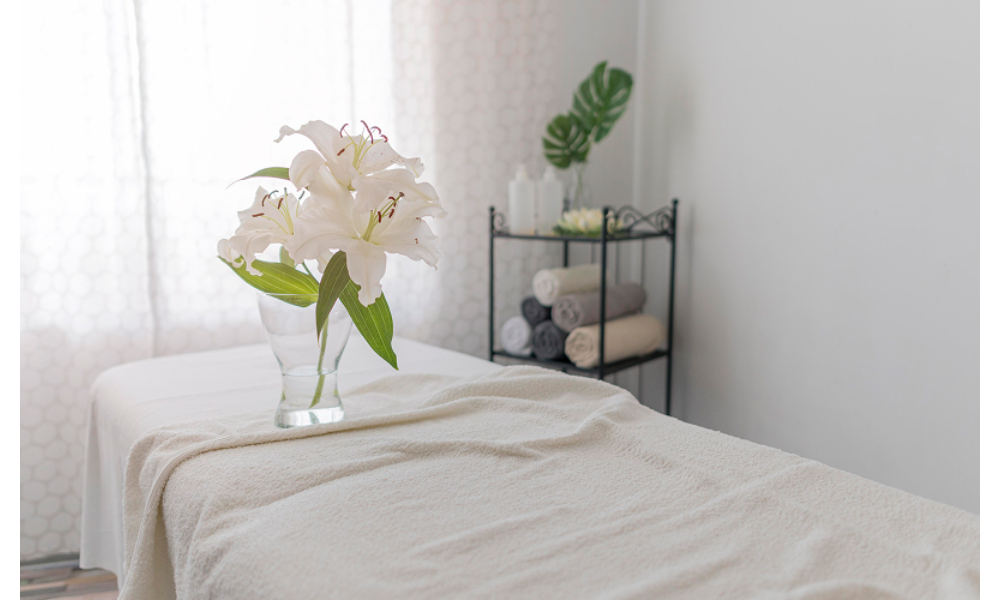
Midway through the experience, setting takes on greater importance. In neighbourhood clinics offering TCM in Marine Parade, the surroundings mirror the pace of daily routines rather than clinical detachment. Familiar locations reduce mental guarding, which helps muscles relax before touch even begins.
Noise levels, room temperature, and scent influence how the nervous system responds. A settled environment supports steadier breathing and improved circulation. This explains why treatments within TCM in Marine Parade settings feel grounded and approachable, blending therapy into everyday schedules without disruption. A familiar setting allows treatment to sit naturally within routine life rather than feeling detached.
4. Consistency Builds Awareness
Progress through Tuina appears subtle at first. Regular sessions build body awareness, making tension easier to detect early. Clients start noticing signals during daily tasks, such as stiffness after sitting or strain during lifting.
Rather than chasing immediate change, consistency nurtures trust between practitioner and client. Each visit refines understanding of how the body reacts across different weeks. Through this rhythm, TCM in Tuina becomes less about isolated relief and more about maintaining balance during ordinary life demands. This steady rhythm supports early recognition of strain before discomfort escalates.
5. Aftercare Extends the Session
The work continues beyond the treatment room. Simple guidance, such as gentle stretches or heat application, preserves benefits gained during Tuina. These habits integrate seamlessly into routines without adding complexity.
Awareness cultivated during sessions informs daily movement choices. Over time, this reduces reliance on reactive measures. In areas offering TCM in Marine Parade, practitioners frequently encourage practical aftercare that respects work schedules and family commitments, allowing recovery to unfold naturally. These carryover habits help relieve stress gradually into everyday movement.
Conclusion
Relief through traditional practices grows from attention rather than urgency. Timing, environment, consistency, and subtle technique shifts shape outcomes more than intensity. Approached patiently, TCM in Tuina supports a steadier relationship with physical wellbeing, where progress aligns with daily rhythms rather than sudden change.
Contact Liang Yi TCM to discuss how Tuina sessions can align with your recovery goals and daily routine.