
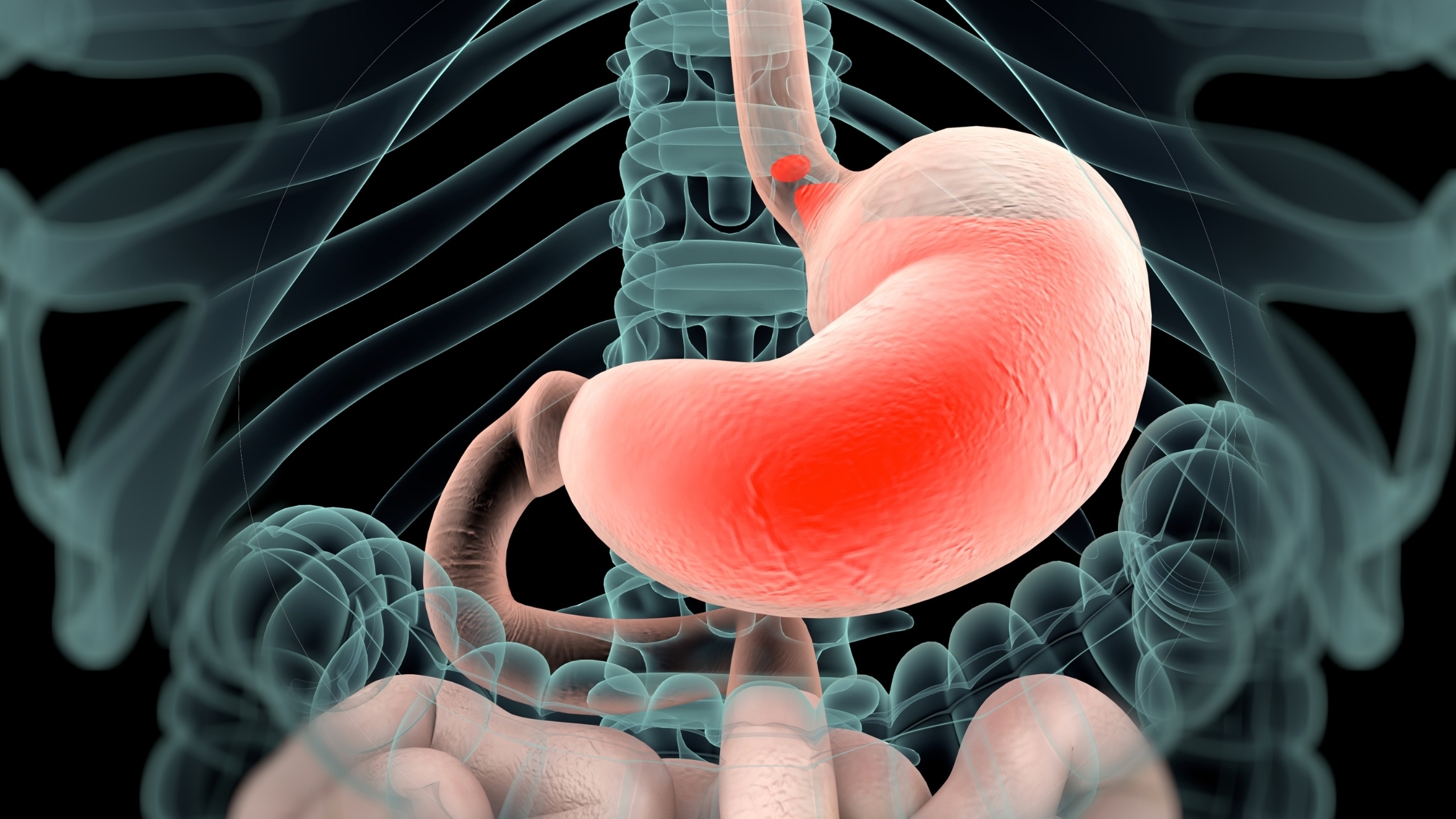
Many people associate digestive trouble with high acidity, but that line of thought usually takes them down the wrong path. Believe it or not, many have their origins in Hypochlorhydria, a state characterized by low stomach acid. It’s not loud or dramatic. Its onset is gradual, it presents itself in unusual forms, and it is often mistaken for something altogether different.
When Levels of Stomach Acid Drops What Happens in the Stomach?
Stomach acid has an important role in digestion. It aids in the breakdown of food, activates enzymes, protects the body from pathogens, and helps with nutrient absorption. When acidity is reduced, this digestive process becomes compromised. Food moves slower. Nutrients break down poorly. And the symptoms start showing up in unusual places.
Hypochlorhydria is not rare. It is seen often in chronically stressed individuals, in older persons, and in people taking acid-reducing medications. However, since the symptoms seem all too familiar, many never know what is going on.
The Day in the Life of Someone with Hypochlorhydria
This is where it gets tricky, because the signs do not necessarily look like low acid. They can often feel like the exact opposite of that.
- Digestive Discomfort After Meals
Food, particularly those rich in protein, are heavy, sluggish, or uncomfortable after a meal. Creates pressure and fullness from a small portion.
- Bloating That Appears Early
Rather than causing slow-onset bloating, the stomach inflates all at once because food is not breaking down.
- Referred (or Out-of-place) Heartburn
Not every burning sensation is due to too much acid. Often, slow digestion pushes food up, so it feels like heartburn.
- Gas and Frequent Burping
If food remains in the stomach for too long, they start to ferment, which results in too much gas.
This pattern of symptoms is what Hypochlorhydria is all about, but most sufferer think they have high acid instead.
Signs Beyond the Digestive Tract
Stomach acid levels are not only important for digestion; Eventually, the absorption of nutrients starts to decline, and that affects other areas of the body.
You might notice:
- Brittle or slow-growing nails
- Hair thinning
- Low energy after meals
- Recurring gut infections
- Even long intervals between food does not offer you with chop down follow through hunger
Low acid is indicated by these seemingly unrelated signs, but when taken together, they all seem to suggest low acid affecting nutrient availability.
Why Low Acid Develops
Hypochlorhydria rarely appears suddenly. It tends to evolve from chronic habits or health issues:
- Chronic stress
- Aging
- Continuous antacid or acid-blocker use
- Meal skipping or meal rushing
- Certain nutrient deficiencies
All of these factors exert some pressure on the stomach to make acid.
When to Seek Guidance
Symptoms overlap with many other conditions so if guesswork isn’t so useful. A healthcare provider can assess your symptoms, do tests if needed, and see if indeed low acid is to blame. Accurate diagnosis saves you from not exacerbating the problem with high acid treatment measures.
Final Thoughts
Hypochlorhydria never shows its face, hiding blandly behind commonplace digestive complaints, but its effects are severe. Awareness of the true signals gives one the opportunity to enhance digestion, support absorption of nutrients, and a meal without feeling unwell. Being cognizant of these patterns is the first step in learning how to interpret what your stomach is trying to tell you.